


DOES SWEATING CAUSE ACNE? WHAT YOU NEED TO KNOW
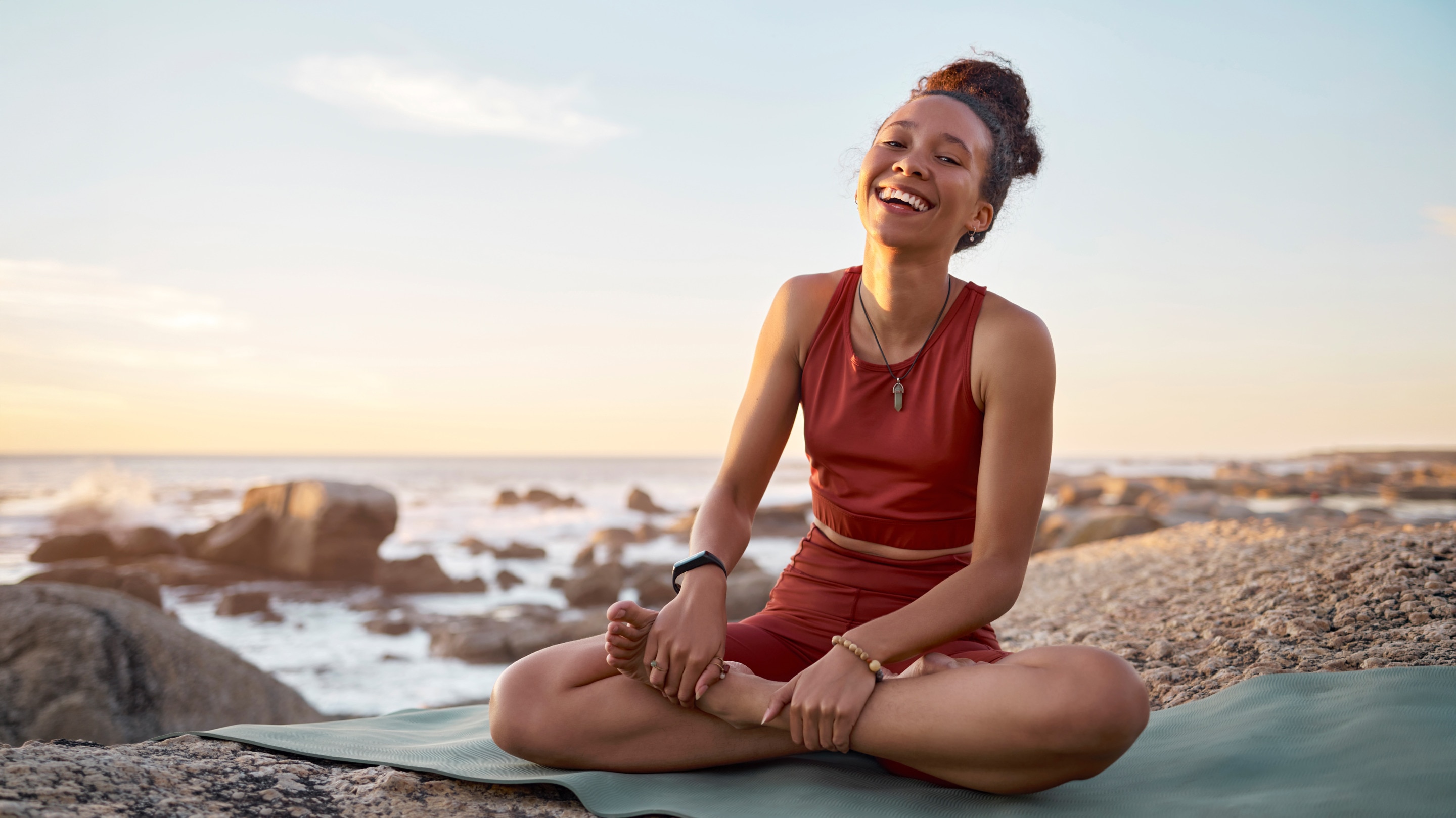
We all sweat—it’s how our bodies cool down and stay healthy. But what happens when sweat meets your skin, especially in areas prone to oil and bacteria? Does sweat cause acne? Find out how sweat interacts with your skin and the tips that prevent breakouts, no matter how active or hot your day gets.
WHAT IS SWEAT?
Unilever R&D scientist Matt Annecharico explains that there are two types of sweat: “One that is watery and occurs all over the body. The second type of sweat is found in areas such as the groin and underarms and is an oily sweat. This oily sweat is the main contributing factor to body odor.” He adds that only about 1-2% of sweat is actually produced in the underarms.
Your sweat glands’ main job is to help regulate your temperature. Sweating is also beneficial for skin health, helping to flush out toxins and impurities.1
But “in areas of the body not exposed to the air or under heavy clothes, sweat evaporates at a much slower rate and this can feel uncomfortable,” says Matt.
THE LINK BETWEEN SWEAT AND ACNE
On its own, sweat doesn’t affect your skin, but when it mixes with the oils and bacteria already on your skin, this can contribute to breakouts.2 Sweat mixing with dead skin and other debris could also block your pores.2
Tight clothing and friction further aggravate the skin, trapping sweat and bacteria against the skin's surface. This makes balancing sweating with proper hygiene and skincare key to preventing breakouts.
COMMON "HOT SPOTS"
Sweat acne tends to appear in areas where sweat accumulates and friction arises. Some common hot spots are:
Chest and back
These areas are prone to sweat buildup, particularly during physical activity. When sweat mixes with oil and bacteria, it can clog pores, leading to acne.
Face and hairline
Sweat mixes with makeup and oils, clogging pores and causing breakouts along the hairline and face.
Underarms and skin folds
The combination of sweat and friction in these areas can lead to irritation and acne.
Shoulders and areas with friction
Wearing tight clothing and carrying backpacks can trap sweat against your skin, causing acne in these places.
WHAT DOES SWEAT ACNE LOOK LIKE?
Sweat acne typically appears as small, red bumps or pimples. It can be itchy and uncomfortable, often resembling regular acne, but it appears in areas prone to sweat.
What to do before you sweat
- Wear breathable clothing: Wear loose-fitting, moisture-wicking fabrics to reduce friction and allow your skin to breathe.
- Cleanse before exercise: Remove makeup and cleanse your skin to minimize pore-clogging oils and bacteria.
- Stay hydrated: Drinking water helps regulate your body temperature and also supports skin health.
Post-sweat skincare routine
- Cleanse immediately: Use a gentle cleanser to remove sweat, oil, and bacteria from your skin.
- Exfoliate: Use gentle exfoliants to help unclog pores and keep skin smooth.
- Moisturize: Keep your skin hydrated with formulas that hydrate and won’t clog your pores.
INGREDIENTS THAT HELP PREVENT BODY ACNE
When it comes to keeping sweat-related breakouts under control, the right ingredients can make all the difference. Gentle exfoliants, soothing botanicals, and lightweight moisturizers work together to help prevent clogged pores, calm irritation, and keep your skin balanced.
Gentle exfoliants
Exfoliation can be a game-changer for preventing body acne, especially after sweating. Look for products containing salicylic acid alternatives to gently exfoliate your skin. While these ingredients act like salicylic acid, helping prevent clogged pores and reducing breakouts, they’re gentler, often plant-based, or better suited for sensitive or acne-prone skin.
Ingredients like willow bark extract naturally loosen buildup inside pores and reduce the risk of breakouts. Formulas like SheaMoisture African Black Soap Calm and Clearing Shea Sugar Scrub include willow bark and tea tree oil, which are often used to support smoother, clearer-looking skin while providing light, gentle exfoliation.
Soothing ingredients
Sweat and friction can leave your skin feeling irritated, especially on the chest, back, or shoulders. Ingredients like aloe vera help calm redness and reduce inflammation, making your skin feel more comfortable.
Choose cleansers with aloe, like SheaMoisture African Black Soap Calm & Clearing Body Wash, which also contains oats and vitamin E to help calm stressed skin while gently cleansing.
Moisturizing ingredients that won’t clog your pores
Keeping your skin hydrated is important, even if you’re dealing with acne. Lightweight moisturizers with aloe, glycerin, or jojoba oil can support the skin barrier without feeling heavy. SheaMoisture African Black Soap Balancing Moisturizer includes oils like jojoba and avocado alongside tea tree oil and botanical extracts to help maintain moisture while supporting acne-prone skin.
FAQs
How do you get rid of sweat pimples?
Cleanse your skin immediately after sweating, exfoliate regularly, and use a moisturizer that hydrates without clogging your pores.
Why does my sweat give me acne?
Sweat can mix with bacteria and oils already present on your skin, clogging your pores and leading to acne.
Are sweat pimples bad for your skin?
They can be uncomfortable and lead to further irritation. Friction or picking them can make them worse. Gently cleansing after sweating and keeping your skin dry can help prevent flare-ups.
Sweating doesn’t have to mean breakouts. By paying attention to how your skin reacts, following a good skincare routine, and choosing products that support gentle cleansing and balance, you can stay active and enjoy the heat without worrying about acne. Simple habits like keeping your skin clean, hydrated, and gently exfoliated can really help.
References
- Cleveland Clinic. How To Avoid Sweat Pimples Year-Round. 2025.
- Medical News Today. Does sweat cause acne or make it worse? 2024.
Dive into more self-care tips and how-to guides.

- slide 1
- slide 2
- slide 3