


Why Your Sweat Smells Like Ammonia and How to Fix It

A sharp, ammonia-like smell when you sweat can show up when your body shifts the way it uses energy. Low-carb eating, dehydration, intense training, and certain supplements can all influence how your sweat smells. Once you understand what’s driving the smell, you can take simple, supportive steps to reduce it and keep your body feeling balanced and fresh.
Why does my sweat smell like ammonia?
When you’re experiencing ammonia-smelling sweat, your body is breaking down protein for fuel instead of relying on carbohydrates. As protein breaks down, it creates ammonia as a by-product. Normally, your body filters ammonia through the kidneys. But if the amount becomes higher than usual or you aren't hydrated enough to flush it out, it can show up in your sweat and create that strong, chemical-like smell.
Common causes of ammonia-smelling sweat
The smell of ammonia in sweat can be caused by some of the following factors:
1. High-protein or low-carb diets
Eating loads of protein isn’t a problem, but when it takes over your plate, your body may start using it for energy instead of carbs. That shift creates more ammonia behind the scenes, which can show up in your sweat.
2. Dehydration and concentrated sweat
When you don’t drink enough water, your sweat becomes stronger and more concentrated. Even mild dehydration can turn a faint smell into something much more noticeable.
3. Intense or prolonged exercise
Hard training sessions can push the body to burn through energy quickly. Once your go-to fuel runs low, your system may lean on protein, which can bring out that ammonia smell.
4. Certain medications or supplements
Some supplements increase the breakdown of protein or change the way your body processes waste. Popular workout supplements, energy boosters, and some vitamins can influence how your sweat smells.
Is smelling ammonia a symptom of something?
So is it bad if your sweat smells like ammonia? Generally, it’s got to do with your hydration levels, diet choices, or workout intensity. But these factors are manageable with a few easy adjustments. In some cases, an ammonia smell can be linked to how the kidneys are filtering waste or how the body processes protein. If the smell becomes constant, extremely strong, or shows up even when you feel well hydrated and properly nourished, speak with a healthcare professional for guidance.
How to reduce ammonia-smelling sweat
Hydrate
Sip on water throughout the day to help your body flush out ammonia and keep things running smoothly. If you work out often or deal with heat on the regular, you’ll probably need more than the usual “eight glasses”.
Adjust your diet
Your body performs best when it gets a little bit of everything. Adding carbs like fruit, whole grains, or sweet potatoes gives your muscles steady fuel, so they don’t tap into protein for energy.
Fuel before working out
Eat a small snack that includes carbohydrates before training to support steady energy and reduce the chances of creating ammonia during exercise. Even a piece of fruit, toast with nut butter, or a quick granola bar can make a difference.
Add electrolytes
Heavy sweat sessions take more than just water out of you. Electrolytes help your body stay balanced and support your kidneys as they filter out waste. Try electrolyte tablets, a low-sugar sports drink, or even coconut water to keep everything in check.
Improve body-care habits|
Keeping your skin clean sets the tone for how your sweat smells. A good wash removes the sweat, oil, and bacteria that like to hang around and turn up the odor. Reach for gentle cleansers that treat your skin with care. Options like the SheaMoisture African Black Soap Body Wash or Coconut and Hibiscus Glowing Radiance Body Wash help keep things fresh and your skin hydrated.
Simple underarm care for sweat that smells like ammonia
Daily cleansing is one of the most effective ways to keep odor in check. A little exfoliation also goes a long way. Working in a gentle body scrub or using a soft cloth once or twice a week helps clear leftover deodorant, smooth the skin, and create a clean surface so your antiperspirant can actually do its job.
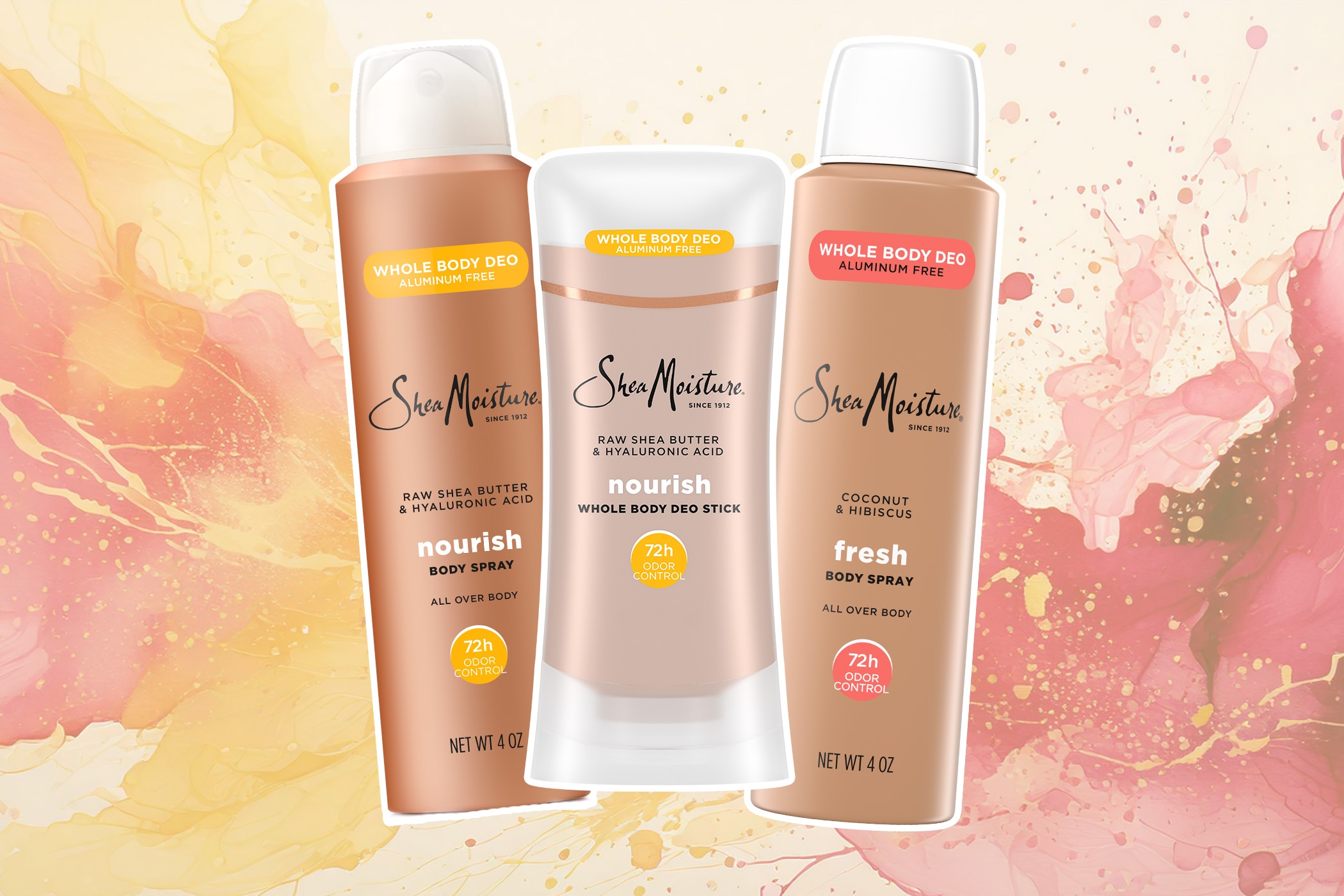
Choosing the right deodorant can make a real difference when you’re trying to manage stronger odors like ammonia. Whole-body deodorants are especially helpful because odor doesn’t only show up under your arms. They’re designed for areas like the chest, inner thighs, underboobs, and anywhere sweat likes to do its own thing.
And if you’re doing heavier training or high-intensity workouts, it might be time to switch things up. Sweat can hit differently when you're pushing your body, so using a formula that offers both odor and wetness protection can help you stay confident. SheaMoisture Raw Shea Butter and Hyaluronic Acid Moisturizing Antiperspirant Deodorant Stick is a strong match because it helps reduce wetness while supporting the skin’s moisture barrier, keeping your underarms soft and under control during sweat-heavy times.
Frequently asked questions (FAQs)
Why does my sweat smell like ammonia?
This happens when the body breaks down more protein than usual. Hydration, diet, and exercise intensity can all influence this.
Is smelling ammonia a symptom of something?
Sweat with an ammonia smell is usually linked to your workout intensity, hydration, or diet. If the smell is persistent or extremely strong, consult a healthcare professional.
Can dehydration make sweat smell stronger?
Yes. Dehydration concentrates sweat and increases the ammonia smell.
Why does my sweat smell worse during workouts?
Hard exercise increases protein breakdown, especially when carbohydrate intake is low. This leads to an ammonia smell.
Is ammonia odor in sweat normal for women?
Yes. Women can experience ammonia-smelling sweat due to hydration, diet shifts, stress, or training intensity.
When your sweat smells like ammonia, it’s usually your body’s way of asking for a little extra support, not a reason to panic. Small shifts like drinking more water, eating balanced meals, fueling before workouts, and keeping up with underarm care can make a real difference. Pay attention to what your body is telling you and adjust your routine accordingly. With the right habits and products that align with your needs, a fresher, cleaner-smelling you is within reach.
Dive into more self-care tips and how-to guides.


- slide 1
- slide 2
- slide 3