


CLOGGED SWEAT GLANDS: CAUSES, CARE, AND UNDERARM SKIN SUPPORT

In this article
- How sweat glands normally work
- What happens when sweat glands become blocked?
- Common areas where sweat blockages occur
- What causes blocked sweat glands?
- How to tell if your sweat glands are blocked
- How do you treat a clogged sweat gland?
- How to detox your sweat glands
- Understanding sudden excessive sweating in women
- FAQs
Sweat glands release moisture to help regulate body temperature and protect the skin’s surface. When those tiny openings stay clear, sweat flows freely and skin feels balanced. A clogged sweat gland forms when that opening becomes blocked and sweat gets trapped beneath the skin. This can lead to tenderness, bumps, and irritation, especially in high-friction areas like your underarms.
Clogged sweat glands show up most often in the armpit because this area deals with sweat, movement, hair removal, and product layering all at once. Understanding how sweat glands work makes it easier to spot early signs and care for skin with intention.
HOW SWEAT GLANDS NORMALLY WORK
Sweat glands act as the body’s cooling system. They release sweat through pores on the skin’s surface, which helps regulate temperature and supports overall skin comfort. Healthy sweat flow keeps skin flexible, hydrated, and resilient.
WHAT HAPPENS WHEN SWEAT GLANDS BECOME BLOCKED?
A blocked sweat gland traps sweat beneath the skin instead of releasing it. Pressure builds, which can cause swelling, soreness, or small raised bumps. A clogged sweat gland in the armpit often feels tender and may look inflamed because the skin in this area stays warm and experiences constant movement.
COMMON AREAS WHERE SWEAT BLOCKAGES OCCUR
These blockages generally happen in areas with heat, friction, and moisture. The most common area is the underarms, followed by the inner thighs, under the breasts, and anywhere clothing rubs repeatedly against skin.
WHAT CAUSES BLOCKED SWEAT GLANDS?
Several everyday factors contribute to blocked sweat glands. Knowing what causes blocked sweat gland issues helps protect skin long-term.
Product build-up and residue
Heavy creams, thick oils, and occlusive deodorants (deodorant formulas that create a physical barrier on your skin) can seal the skin’s surface. Over time, residue collects inside pores and leads to a clogged sweat gland armpit flare-up.
Excess sweat and friction
Sweat plus constant rubbing from clothing creates irritation. This combination increases the risk of sweat glands clogged beneath the skin.
Dead skin cell accumulation
Dead skin cells naturally shed, but when they linger, they block pores and trap sweat. Gentle exfoliation supports clear sweat pathways.
Irritation from shaving or tight clothing
Hair removal and tight fabrics can stress delicate underarm skin. That irritation makes pores more vulnerable to blockage.
Underlying skin conditions
Some skin conditions affect how pores function and heal. Persistent or painful symptoms deserve professional care.
HOW TO TELL IF YOUR SWEAT GLANDS ARE BLOCKED
Early signs
A clogged sweat gland often starts with mild tenderness, sensitivity, or small bumps under the skin.
More advanced symptoms
Swelling, warmth, or painful lumps signal a deeper blockage. These signs call for focused care.
When it’s time to see a doctor
Symptoms that last, worsen, or interfere with daily comfort need medical attention. A dermatologist can confirm the cause and guide your treatment.
HOW DO YOU TREAT A CLOGGED SWEAT GLAND?
Treatment focuses on easing blockage, calming skin, and restoring comfort so your skin can feel resilient and supported.
Warm compresses
Heat helps pores open and releases trapped sweat beneath the skin. Apply a warm, clean cloth to the area for a few minutes to soften buildup and reduce pressure.
Gentle cleansing with non-irritating products
Daily cleansing clears sweat, bacteria, and residue without disrupting the skin barrier. African Black Soap gently purifies while supporting a healthy balance of hydration. SheaMoisture Coconut & Hibiscus Glowing Radiance Body Wash also cleanses while leaving skin soft and comfortable. A great choice for soothing and caring for underarms—without irritation.
Avoid occlusive deodorants or heavy creams
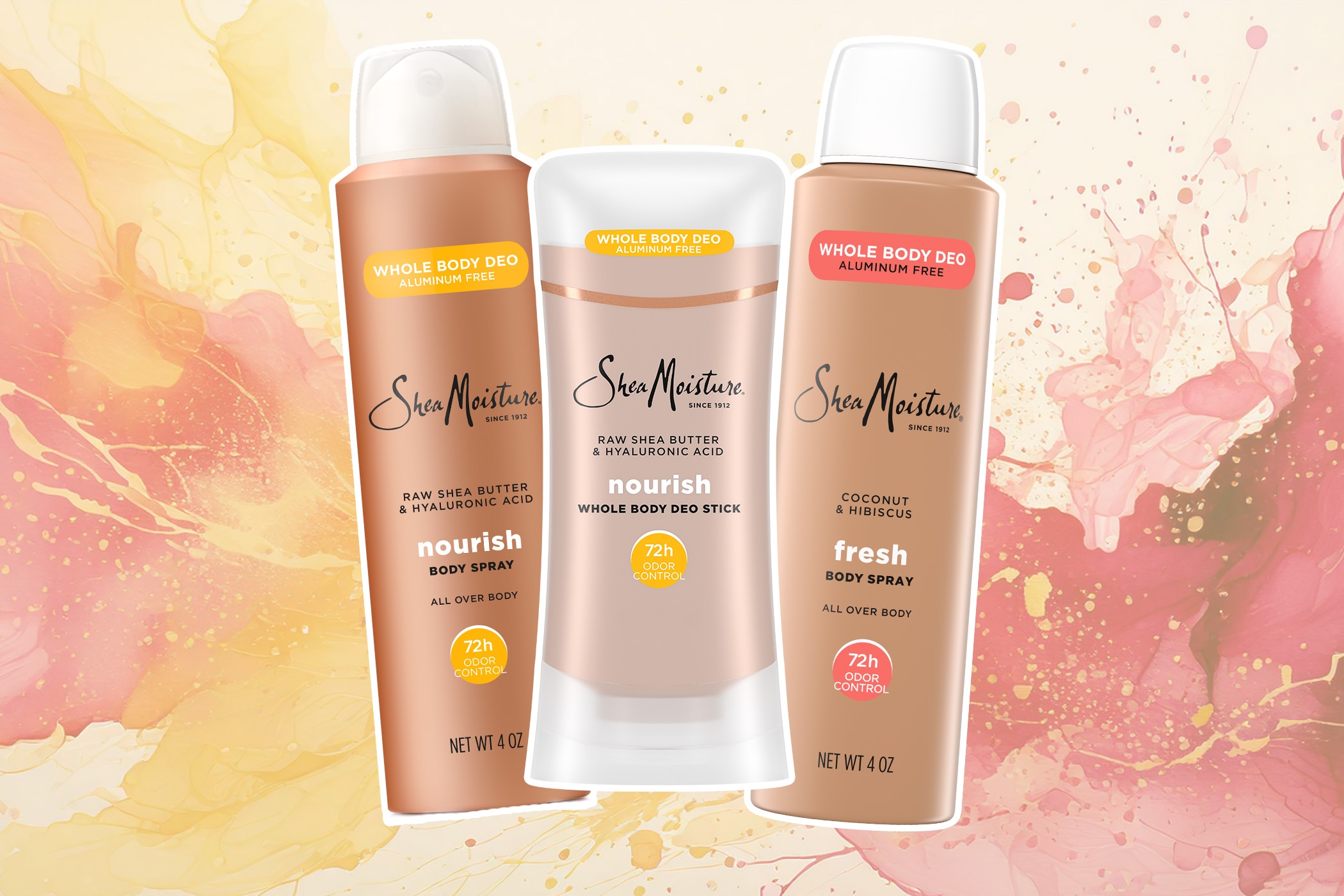
While you still want odor protection, heavy formulas can trap sweat and worsen a clogged sweat gland in the armpit. Light, breathable deodorants help freshness without blocking pores. SheaMoisture Deodorants deliver clean underarm protection without harsh occlusives. For full-body freshness, SheaMoisture Whole Body Deodorant offers all-over odor control that’s gentle on the skin.
Let the area breathe
Loose, breathable clothing reduces friction and heat buildup. Two triggers that can make clogged sweat glands worse. Cotton and natural fibers give underarm skin space to recover and stay balanced.
HOW TO DETOX YOUR SWEAT GLANDS
The goal centers on skin support and irritation control.
Support the skin barrier
Hydrating botanicals strengthen the skin barrier and improve resilience, making them especially beneficial for melanin-rich skin, which thrives on balanced moisture.
Reduce irritation
Gentle formulas and mindful routines protect pores from unnecessary stress.
Use gentle, aluminum-free deodorants
Aluminum-free deodorants lower the risk of pore blockage while keeping underarms fresh.
UNDERSTANDING SUDDEN EXCESSIVE SWEATING IN WOMEN
Hormonal shifts, stress, and environmental changes can increase sweat production and raise the risk of sweat glands getting clogged. Stress responses and hormonal fluctuations can also trigger cold sweats, which place extra strain on delicate underarm skin.
Being aware of these changes can help you make smarter skincare choices to prevent irritation before it starts.
Prevention tips for healthy underarm skin
- The first step involves all-over body care. Cleanse daily with a gentle body wash to remove sweat and residue
- Exfoliate weekly with care to prevent dead skin buildup
- Choose deodorants with skin-friendly ingredients that support pore health
- Support the skin barrier with hydrating botanicals
- Wear breathable fabrics that allow skin to move, cool, and recover
FAQs
How do I treat a clogged sweat gland at home?
Warm compresses, gentle cleansing, and breathable clothing help relieve mild blockages.
What causes sweat glands to become blocked?
Product buildup, excess sweat, dead skin cells, friction, and irritation remain the most common causes.
How do I know if my sweat glands are clogged?
Tender bumps signal early blockage. Swelling or pain suggests a more advanced clogged sweat gland in the armpit.
Clogged sweat glands reflect how skin responds to daily pressure, products, and movement, not a lack of care. When you understand what causes this issue and how a clogged sweat gland in the armpit forms, you gain the power to protect your skin with intention. Gentle cleansing, breathable fabrics, lightweight deodorants, and barrier-supporting botanicals help sweat flow naturally and keep pores clear.
Dive into more self-care tips and how-to guides.


- slide 1
- slide 2
- slide 3