


HOW TO CARE FOR HAIR AFTER BRAIDS: YOUR POST-PROTECTIVE-STYLE RECOVERY GUIDE

Protective styles like braids, twists and cornrows are a favorite for a reason: they tuck away your ends, cut down on daily manipulation and give your natural hair a break while it grows. But that protection comes with trade-offs. Weeks of keeping your style in mean limited access to your scalp and coils, and by the time you're ready for takedown, your hair's ready for some attention too.
When you take down a set of braids, twists or cornrows, you release weeks of tension, trapped shedding and limited moisture. Thoughtful hair care after braids helps your scalp reset, supports your coils and lets you really enjoy the length and health you’ve been protecting.
PREPARE YOUR COILS AND SCALP FOR THE RESET
A careful takedown is the foundation of healthy hair care after braids. Most breakage, thinning and sore scalps happen here, not in the wash.
SET ASIDE REAL TIME
Taking down a full head of braids or twists can easily take two to six hours. Trying to rush that window is when your coils may snap, roots may get stressed and your scalp might end up paying the price. Block off some time where you’re not in a hurry. Put on a show, a podcast or a playlist and treat takedown time like a ritual.
WORK IN SECTIONS AND USE THE RIGHT OIL
Slip and structure make takedown smoother and kinder to your coils.
- Divide your hair into 6 to 10 sections with clips or loose bands.
- Before unraveling each braid or twist, apply a lightweight oil along the length and at the root.
- A formula like SheaMoisture Bonding Oil with Amla Oil helps soften dried product and sebum so braids release with less pulling.
Start at the ends, then work up. If you hit a knot, separate it slowly with your fingers instead of forcing a comb through.
WHAT NORMAL SHEDDING LOOKS LIKE AT TAKEDOWN
On average, everyone sheds 50 to 100 strands per day.1 When your hair is braided, those shed hairs stay trapped in each braid. When you finally take them down, you’re seeing weeks of shedding all at once.
You might notice:
- Small clumps of hair in your hands or comb
- Shed strands caught at the ends of braids
- More hair in the sink or shower than you’re used to
If you’re worried about excessive shedding after braids, pay attention to the pattern:
- Is shedding evenly spread across your head?
- Does your density at the roots look consistent?
- Does shedding slow down after a couple of wash days?
If you see persistent bald patches, ongoing thinning or scalp pain, that’s not just routine hair care. That’s the time to talk with a dermatologist or trichologist.
STEP 1: GENTLE DETANGLING AND CLEANSE
DETANGLE IN SECTIONS
- Keep hair in sections and start detangling at the ends.
- Use your fingers or a wide-tooth comb, working upward slowly.
- If you feel resistance, gently separate the knot instead of forcing the comb through.
This is especially helpful when you detangle 4C hair after braids, where tight coils can wrap around shed strands and form compact knots.
CLEANSE WITH STRENGTH AND MOISTURE
Once detangled:
- Cleanse with SheaMoisture Jamaican Black Castor Oil Strengthen & Restore Shampoo, focusing on the scalp.
- Massage gently with fingertips to lift buildup, then rinse well. A second wash can help clear heavy product.
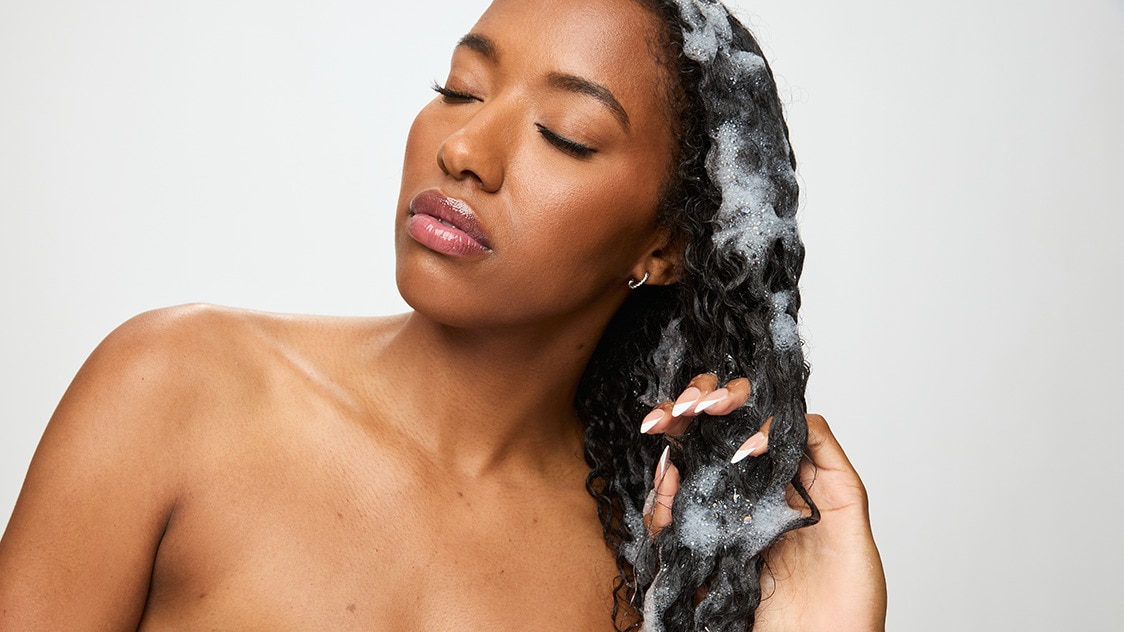
Follow with SheaMoisture Jamaican Black Castor Oil Strengthen & Restore Conditioner:
- Apply from mid-lengths to ends, where coils tend to be driest.
- Leave on for about five minutes, then rinse with cool water to help smooth the cuticle and lock in moisture.
This duo supports textured hair and creates a strong base for hair care after braids when your coils need both strength and hydration.
STEP 2: SOOTHE YOUR SCALP AND RESET MOISTURE
MASSAGE AND COOL RINSE
During your wash:
- Gently massage your scalp with fingertips for three to five minutes.
- Move in small circles along your hairline, crown and nape, where braids tend to pull the most.
Finish with a cool water rinse to help calm the scalp and reduce irritation.
ADD LIGHTWEIGHT OIL AND REST
After towel-drying apply SheaMoisture Strengthening Scalp & Hair Oil directly to your scalp, especially on tender or itchy areas. Give your scalp a break from tight styling for at least three to seven days. That recovery window helps protect your hairline and may help reduce the risk of hair fall out after braids.
STEP 3: GO FOR DEEP BOND REPAIR
Weeks of braid tension concentrate stress at the roots and along the cuticle. Starting with your next wash day, and continuing for the next three to four weeks, swap in a bond-repair routine to support those stressed areas.
CREATE A BOND-REPAIR ROUTINE
On wash day, cleanse with a gentle bond-repairing shampoo. Then:
- Apply SheaMoisture Bond Repair Masque to damp hair from root to tip.
- Use a wide-tooth comb to distribute evenly, focusing on spots that feel the tightest in your braids.
- Leave on for at least five minutes, longer if your coils feel very dry or fragile.
- Rinse thoroughly, then follow with SheaMoisture Bond Repair Leave-In Conditioner while hair is still damp.
Repeat the masque once a week for the first three to four weeks to support ongoing recovery. If you notice hair loss or a bald spot after braids that doesn’t seem to fill in, bond repair can help keep surrounding strands strong, but it can’t regrow hair where follicles have been damaged.
Persistent bald patches, a receding hairline or hair that does not return in areas that were pulled hard can be signs of traction alopecia.2 That is a medical condition and needs care from a dermatologist or trichologist.
STEP 4: TRY LOW-MANIPULATION STYLING
The first week out of braids is the time for soft, low-tension styles that keep recovery going.
DO A LOOSE TWO-STRAND TWIST-OUT
- On damp hair, apply your leave-in conditioner.
- Create loose two-strand twists across your head, keeping roots relaxed.
- Sleep in a satin bonnet or on a satin pillowcase.
- In the morning, unravel gently for defined, moisturized coils with minimal manipulation.
HALF-UP BANTU KNOTS
- Section the top half of your hair into four to six small, loose Bantu knots.
- Leave the back down or softly pinned.
This playful, tension-free style gives you shape with very little manipulation. A light layer of SheaMoisture Bonding Oil with Amla Oil on the ends adds shine and protection while you let your coils recover.
Thoughtful hair care after braids is a chance to reconnect with your hair, honor the length you’ve protected and give your scalp the softness and time it deserves. From careful takedown to deep cleansing, scalp soothing and gentle styling, each step helps your hair feel stronger, more hydrated and ready for the next style.
FREQUENTLY ASKED QUESTIONS
WHY IS MY SCALP SORE AND DRY AFTER WEARING TWISTS OR PROTECTIVE BRAIDS?
Weeks of tension and moisture that couldn't reach your scalp can leave it feeling sensitive and dry. Braids pull at the roots and tight styles can limit blood flow. After takedown, focus on gentle massages to help boost circulation, cool water rinses to help reduce irritation and lightweight oils like SheaMoisture Bonding Oil with Amla Oil to help restore your scalp’s moisture barrier.
IS IT NORMAL TO SHED A LOT OF HAIR WHEN I TAKE MY BRAIDS OUT?
Yes, seeing more hair shed after braids is common because you’re releasing weeks of trapped shedding at once. If shedding is evenly distributed and slows after a few wash days, it’s usually part of the process.
REFERENCES
- Healthline. How Much Hair Loss Is Normal? 2024.
- WebMD. Traction Alopecia: Causes, Symptoms, and Treatment. 2024.
Related Products


Dive into more self-care tips and how-to guides.


- slide 1
- slide 2
- slide 3