


WHAT IS MELANIN AND HOW DOES IT AFFECT YOUR SKIN THROUGH THE SEASONS?
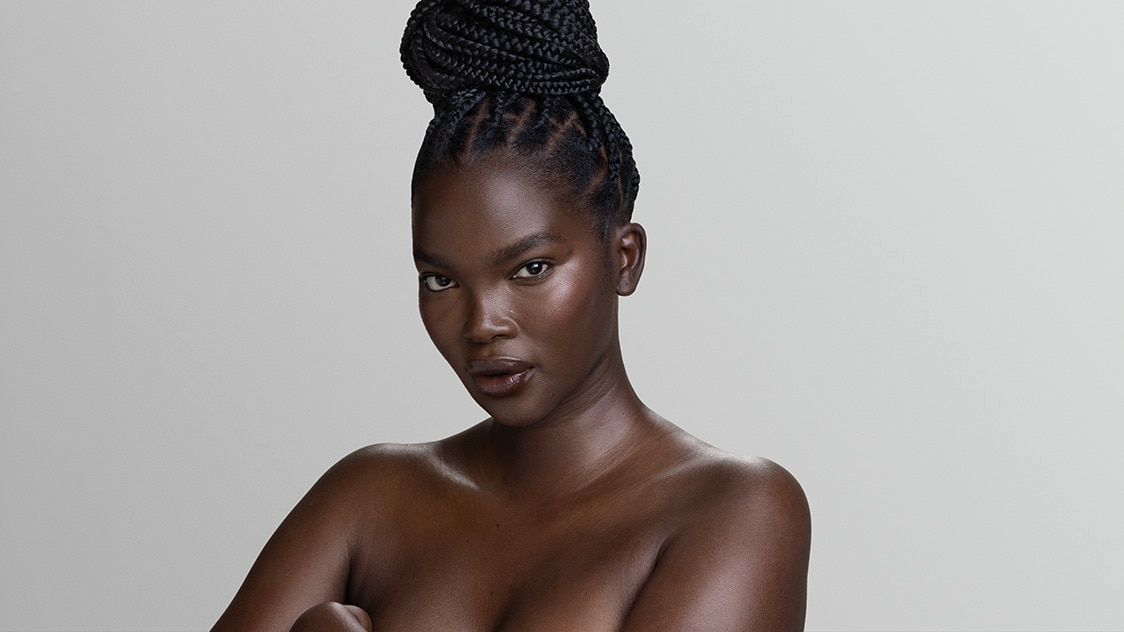
When we ask, ‘what is melanin?’, we’re really asking different questions about why our skin tones are so beautifully diverse, why some skin shows marks more easily, and how our bodies protect us from the sun and other environmental stressors.
Knowing what melanin is and how it works is a necessary step toward caring for melanin-rich skin with intent, rather than playing a guessing game.
WHAT IS MELANIN IN SKIN AND HOW IS IT PRODUCED?
Melanin is a pigment your body makes to give color to your skin, hair, and eyes. It’s created inside specialized cells called melanocytes.1 Then different cells known as keratinocytes take over, transporting the melanin to the surface of your skin.2 The amount, type, and distribution of that pigment is what gives each person their unique skin tone.
TYPES OF MELANIN
Melanocytes produce two types of melanin in the skin:3
- Eumelanin: brown to black pigment
- Pheomelanin: red to yellow pigment
When you hear about skin tones, it actually comes down to how much eumelanin versus pheomelanin your melanocytes produce and how many melanocytes you have. More eumelanin generally means deeper, richer skin tones and a level of natural protection against UV.2 More pheomelanin is associated with lighter skin, freckles, and red or blonde hair and less natural UV protection.2
WHAT DOES MELANIN DO FOR YOUR SKIN?
Melanin is one of your body’s frontline defenders. It absorbs and scatters ultraviolet radiation, reducing the amount that penetrates deeper into the skin where it can damage DNA. This is why people with higher levels of eumelanin tend to have lower rates of certain UV-related skin cancers.4
So does melanin protect against UV? Some protection is real, but it’s not complete. Melanin-rich skin can still burn, still experience DNA damage, and still develop hyperpigmentation and texture changes from sun exposure.
That’s why your routine should include barrier-supporting care and daily SPF. Facial moisturizers and hydrating body lotions help keep your skin protected and resilient, while a broad spectrum sunscreen covers the daily SPF your skin needs.
SHOP SheaMoisture African Black Soap Balancing Moisturizer
WHY MELANIN-RICH SKIN MARKS MORE EASILY AFTER IRRITATION
Many people with melanin-rich skin notice that even mild irritation can leave dark marks. A pimple, a scratch, a bug bite, or a rash can turn into a spot that lingers long after the original issue has healed.
"Post-inflammatory hyperpigmentation is caused by increased melanin production or irregular melanin distribution in response to skin inflammation or injury, often in people with darker skin tones,” explains Unilever R&D Manager Jamie Reagan. Shaving, friction or even irritation from trapped sweat can result in skin inflammation.”
This is your skin's melanin-making process working overtime, making gentle care with non-irritating products all the more important if you have melanin-rich skin.
SUMMER: HOW MELANIN-RICH SKIN RESPONDS TO SUN AND HEAT
In summer, UV light and heat all influence how melanocytes behave. In melanin-rich skin, natural pigment lowers the risk of burning and some skin cancers, but it doesn't erase that risk, and it doesn't prevent uneven tone or dark marks.
A summer routine that respects melanin-rich skin means daily broad-spectrum sunscreen (especially on the face, neck, and hands), staying in the shade and wearing a hat during peak sun hours, and cooling, hydrating products to support the skin barrier after sun exposure. Heat can also drive inflammation and, in some people, worsen existing hyperpigmentation.
WINTER: COLD AIR, INDOOR HEAT, AND MELANIN BEHAVIOR
A common question is: do you lose melanin in winter? But no, your baseline melanin and underlying tone don't disappear with the cold. What does change is less sun exposure, which fades the extra pigment created by tanning, drier air and indoor heat.
So while you don't lose your melanin, your skin can look slightly lighter as your summer tan fades, and it can develop new dark marks if winter dryness leads to flares, scratching, or breakouts.
To keep melanin-rich skin balanced throughout winter, use a sugar scrub formulated specifically for melanin-rich skin. It gently exfoliates without stripping the skin, clearing the way for moisture to sink in. Follow with a hydrating body lotion to replace what the cold removed.
SHOP SheaMoisture Raw Shea Butter Deeply Moisturizing Shea Sugar Scrub
FAQs
DO YOU LOSE MELANIN IN THE WINTER?
No, you don’t. But less UV exposure means less stimulation of melanocytes, so some of that summer tan can fade.
WHY DO SOME AREAS OF SKIN HAVE MORE MELANIN THAN OTHERS?
Melanocytes are not distributed evenly, and they don’t all behave the same. Areas like elbows, knees, knuckles, underarms, and inner thighs often experience more friction and irritation. This can lead to more melanin production and deeper color in those areas.
DOES STRESS AFFECT MELANIN PRODUCTION?
Stress can influence hormones and inflammation, both of which can affect melanocyte activity. For some people, high stress periods are linked with more breakouts, which can lead to dark marks.
DOES MELANIN FADE OR DECREASE WITH AGE?
Melanocytes can become less active or more irregular with age. Some people notice more uneven tone, age spots, or a general softening of color. Others maintain a very stable tone. The change is individual, but yes, age can alter how and where melanin is produced.
WHAT IS THE FITZPATRICK SCALE, AND DOES IT APPLY ACCURATELY TO MELANIN-RICH SKIN?
The Fitzpatrick scale is a classification system that groups skin types based on how they respond to sun and how easily they burn or tan.5 It was originally developed with lighter skin in mind and doesn’t fully capture the range and nuance of melanin-rich skin. It can be a starting point, but it is not the final word on deeper tones.
CAN DIET OR SUPPLEMENTS CHANGE HOW MUCH MELANIN YOUR SKIN MAKES?
Diet supports overall skin health, but there is no safe, proven shortcut that dramatically changes tones of melanin through food or supplements alone. Extreme claims should be treated with caution. Hydration, balanced nutrition, and avoiding deficiency matter, but they don’t override genetics and other factors.
Melanin isn't just color; it's a system in your skin that protects, adjusts, and responds to what your skin goes through. Seeing how it works is what makes melanin-rich skin worthy of tailored, intentional care. This isn't about fearing dark marks or chasing one "perfect" tone. It's about respecting your skin's defenses and choosing routines that keep it balanced, healthy, and true to you.
REFERENCES
- Cleveland Clinic. Melanin. 2022.
- Medical News Today. What to Know About Melanin. 2021.
- WebMD. What is Melanin? 2023.
- PubMed Central. The Protective Role of Melanin Against UV Damage in Human Skin. 2009.
- PubMed Central. The Efficacy of the Fitzpatrick Scale in Clinical Practice. 2026.
Dive into more self-care tips and how-to guides.



- slide 1
- slide 2
- slide 3