


GLOBAL BEAUTY RITUALS FOR WINTER SKIN
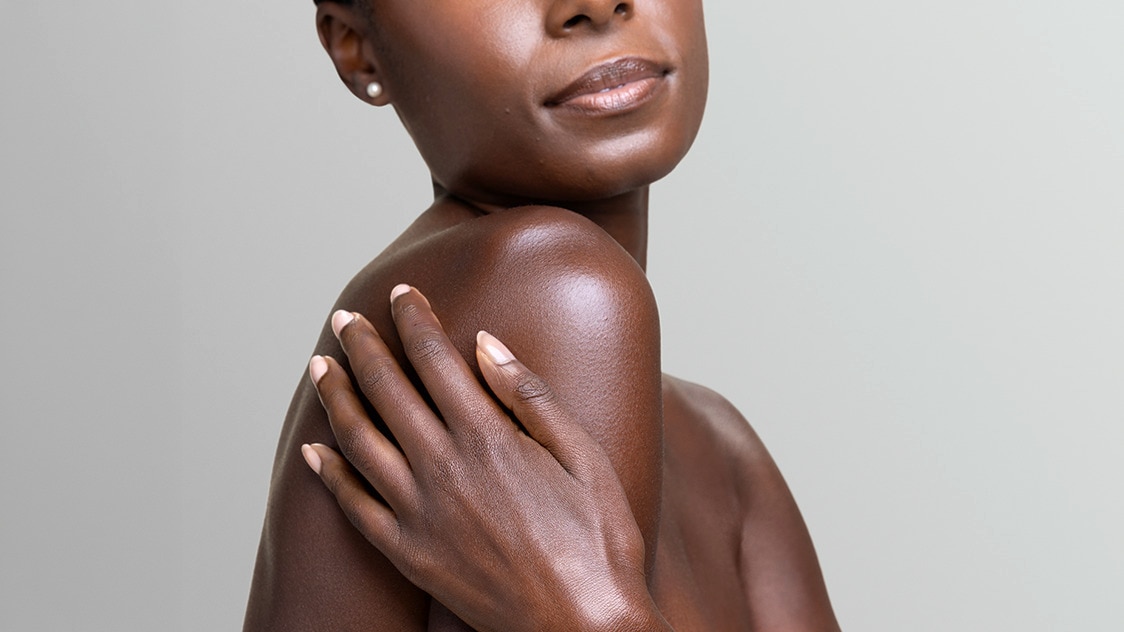
Three winter beauty traditions, three regions, one shared logic: cold weather strips moisture, and the world's heritage self-care rituals exist to put it back. Discover shea butter for winter skin from the savannahs of West Africa, the hammam steam-and-scrub sequence of North Africa and the South Asian Ayurvedic practice of abhyanga oil massage. Then learn how you can build all three principles into one simple winter skin routine at home.
HOW WINTER CAN WEAKEN THE SKIN BARRIER
Winter doesn't treat all skin the same way, but it can be hard on the skin barrier. This is the outer layer held together by fats, which act like mortar between bricks. Cold, dry air and a lack of humidity make it difficult for your skin to hold onto moisture, and indoor heating doesn't help. It dries out the air even more.
In cold weather, dry skin, irritation and cracked lips are common challenges.1 Some people get a cold weather skin rash that looks flaky and red.2 This is exactly where deeply nourishing self-care rituals earn their place.
TRADITIONAL PRACTICES, SHARED PURPOSE
Long before moisturizer came in a jar, people across the world had already figured out how to manage dry skin. From West Africa to North Africa to South Asia, three very different traditions point to the same instinct: replace and seal in what the cold weather has removed.

Here’s a closer look at each ritual and how to adapt it at home.
WEST AFRICA, SHEA BUTTER: PROTECTING MELANIN-RICH SKIN
Shea butter has been part of West African skin care traditions for generations. It’s hand-harvested and processed largely by women and used as a body butter to soften and protect skin through the driest months. Shea butter is rich in fatty acids and antioxidants that support the skin barrier3 and help offset the faster moisture loss common in melanin-rich skin.
SheaMoisture sources its shea butter through Fair Trade certified, West African women-led cooperatives, meaning the women who harvest it are paid fair wages their work.
At home: Apply shea butter to damp skin right after a shower or bath to lock in moisture. If you’re prone to breakouts, shea butter can clog pores, so it’s best not to use it on those areas or test it on a small area first.
NORTH AFRICA, MOROCCAN HAMMAM RITUAL: GENTLE EXFOLIATION BEFORE DEEP HYDRATION
The hammam is a communal bathing tradition practiced across the Islamic world for generations. It's like a steam room with a washing area and the hammam ritual unfolds like this:
- Steam softens the skin.
- A black soap is massaged in and left briefly on the skin.
- A coarse kessa glove is then used to exfoliate with firm strokes.
- Skin is rinsed off and the ritual may be finished with oil, traditionally argan or olive.
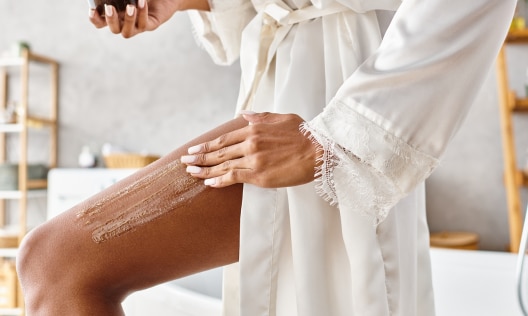
At home: A warm shower stands in for the steam, sugar scrub takes the place of the kessa glove, and shea butter finishes things off in place of argan oil.
Gentle exfoliation matters more in winter, not less. Dry, flaky buildup blocks moisturizer from sinking in. But once or twice a week is enough; more, and you risk over-exfoliating.
SOUTH ASIA, AYURVEDIC ABHYANGA: SEALING IN MOISTURE
Abhyanga is a traditional Ayurvedic self-massage using warm oil, often sesame oil. The oil is gently warmed and massaged into the skin before bathing, helping to soften and nourish dry skin. The practice is traditionally associated with warmth, relaxation, and well-being.
At home: Take a few minutes to do a warm oil massage before a shower, two or three times a week on elbows, knees, and lower legs.
HOW TO KEEP SKIN MOISTURIZED IN WINTER
For best results, use a hydrating body wash and apply a shea butter moisturizer within a few minutes of a shower, while your skin is still damp. This locks in hydration before it evaporates.
Your hands deal with a lot in winter as they’re often exposed to cold air and washing them strips moisture every time. Reapply hand cream after each wash to keep them from drying out. The rest of your body usually holds up with moisturizer once a day, with a little extra attention on dry patches.
SHOP COCONUT & HIBISCUS BODY LOTION
WHY GENTLE DEODORANT MATTERS FOR DRY WINTER SKIN
Yes, you still need deodorant in winter. Less sweat doesn't mean odor-causing bacteria are gone, and heavy layers can trap moisture against your skin even in the cold. Winter skin is already more sensitive, so a gentle formula matters more than usual.
When using whole body deodorant, always check the label first to see where to apply it.
THE COMPLETE WINTER BODY RITUAL
Some days call for a full ritual. Other days, you barely have five minutes before you're out the door. Here’s a sequence that borrows from the traditions we've covered:
- Warm oil massage before your shower. Let the warmth soften your skin before anything else. Focus on elbows, knees, and lower legs.
- Shower with a moisturizing body wash to cleanse without stripping away the moisture your skin needs.
- Gently exfoliate with a sugar scrub or coarse glove to buff away dry, flaky buildup. Do this just once or twice a week.
- Rinse. This clears away the scrub and any leftover residue before you moisturize.
- Seal in moisture with a shea butter moisturizer while your skin is still damp. Damp skin holds onto hydration far better than dry skin, so this is the step that locks everything in.
- Apply a gentle, whole body deodorant on days when you need it.
Do the full ritual once or twice a week. On other days, keep it simple: cleanse, moisturize, apply deodorant. Either way, it's a winter skin care routine for dry skin that doesn’t take long but has many benefits.
SHOP RAW SHEA BUTTER DEEPLY MOISTURIZING BODY WASH
FAQs
WHY IS SHEA BUTTER GOOD FOR DRY SKIN?
Shea butter is rich in fatty acids and vitamins A and E that help seal moisture into skin, keeping it soft and comfortable.
WHAT BODYCARE INGREDIENTS ARE BEST FOR WINTER?
In winter, you need richer formulas to hydrate your skin. Look for a deeply hydrating shea butter body wash and a shea butter moisturizer.
DO I STILL NEED DEODORANT IN WINTER?
Just because you don’t sweat as much as in summer doesn’t mean winter is odor-free. Winter layering can trap moisture against your skin even when it’s cold. A gentle, cream formula keeps skin comfortable while helping prevent odor.
HOW CAN I BUILD A MOISTURE-RICH WINTER ROUTINE?
Start with a warm oil massage on the days your skin feels really tight. Exfoliate gently once or twice a week to remove dead skin cells. After cleansing, seal in moisture with a shea butter moisturizer while your skin is still damp.
WHAT CAUSES A COLD WEATHER SKIN RASH?
Cold, dry air both outside and from indoor heating can disrupt your skin's natural barrier, which struggles to hold onto moisture. This can sometimes lead to a cold weather rash that looks red and flaky or feels itchy and sensitive.² It tends to show up most on the hands, arms, and legs, since these areas are the most exposed to the elements.
HOW OFTEN SHOULD I REAPPLY MOISTURIZER IN WINTER?
Your hands need extra help in winter. Reapply hand cream after every wash. For your body, moisturizer once a day on damp skin after a bath or shower is usually enough. Stubborn, dry patches might need a little extra moisturizer before bed.
Winter skin doesn't need a new routine, just a slightly richer one. Borrow from a traditional ritual when you have the time, but on the days you don't, the basics will hold. Either way, your dry-season skin still gets a break.
References
- American Academy of Dermatology. Cold Weather and Your Skin.2023. https://www.aad.org/news/cold-weather-and-your-skin
- Cleveland Clinic. Winter Rash. 2024. https://health.clevelandclinic.org/winter-rash
- Cleveland Clinic. 6 Incredible Benefits of Shea Butter. 2022. https://health.clevelandclinic.org/shea-butter-benefits
Dive into more self-care tips and how-to guides.


- slide 1
- slide 2
- slide 3